
INTRO
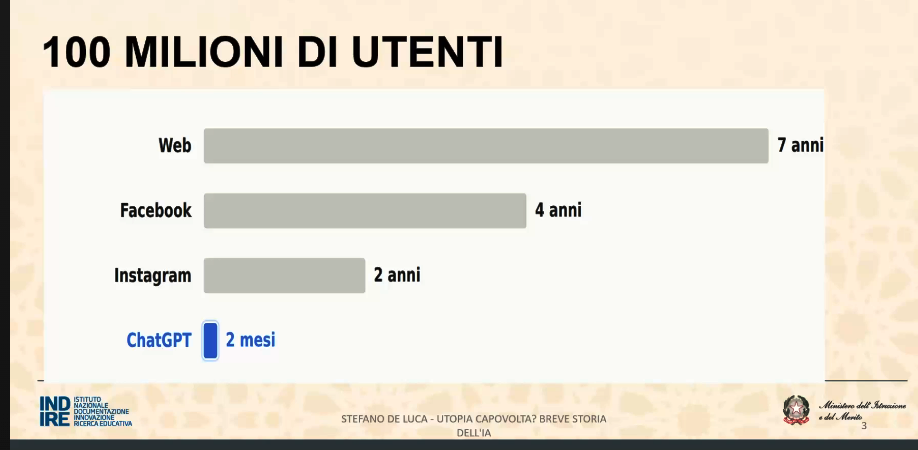
YEAR 9
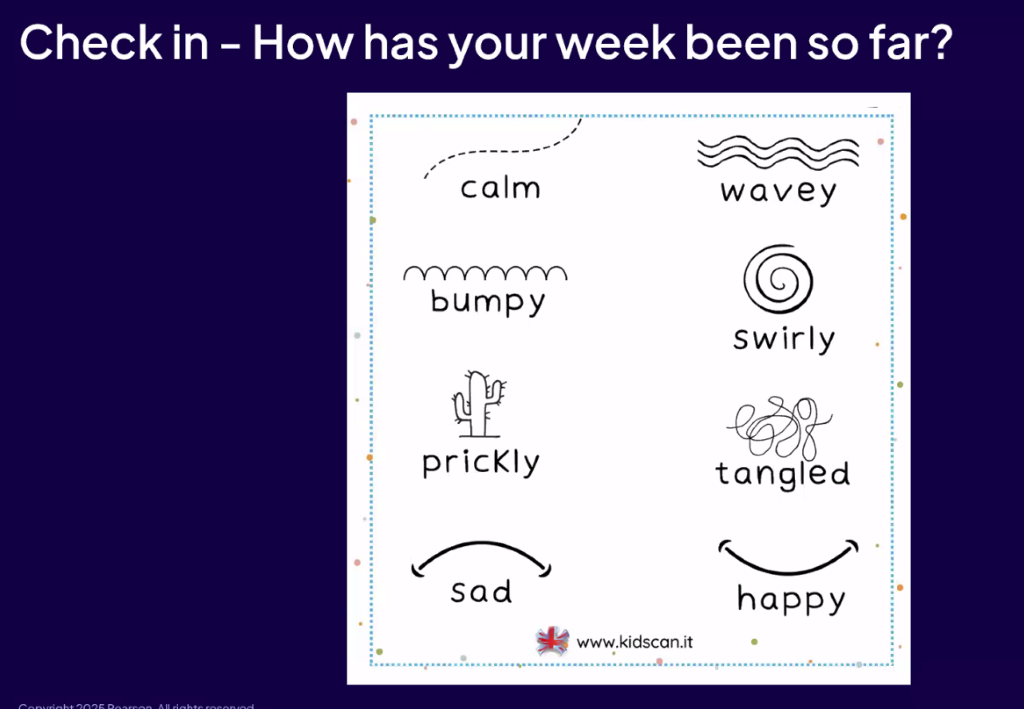
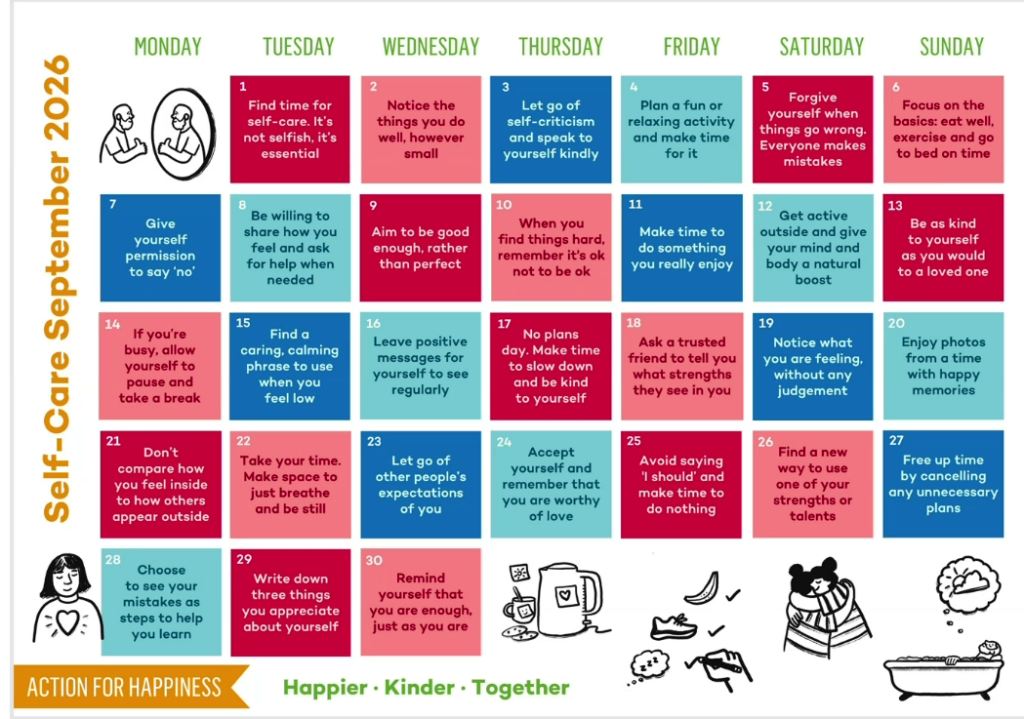
YEAR 10
YEAR 11
Video zone | LearnEnglish Kids
EUROPE MATTERS
European citizen, does it matter? (en)
Cases & Values — Case4EU: Empowering EU citizens
Equality Index | European Institute for Gender Equality
Themes — Case4EU: Empowering EU citizens
European Commission, How we are striving to build a true Union of Equality (3 min.)
European Parliament, The Employment Equality Directive (3 min.)
European Union Agency for Fundamental Rights (FRA), several videos, for instance, Protecting vulnerable adults across Europe (2 min.)
European Institute for Gender Equality (EIGE), several videos, for instance, Violence against women (2 min.)
Court of Justice of the EU, The Court of Justice: guaranteeing equal treatment and protecting minority rights (2 min.); LGBTQ Rights protected by the Court of Justice (2 min.)
HOW TO ANALYSE A POEM
- title
- form: layout, rhyme scheme, figures of speech such as anaphora, deviances
- sound: assonance, alliterations, repetitions, onomatopoeia
- style: mood, tone, atmosphere
- content: figures of speech, such similes, metaphors, paradox, personification, hyperbole; literal meaning (summary); deeper meaning; connections with other literary works
personal response
Text to text/ media/self/world
Analysis Task –
Choose a text by X and analyse it using the following perspectives:
- Text-to-Text
Compare this text with another literary work you know.
- What themes or ideas are similar?
- Are there common stylistic features or characters?
- Text-to-Media
Connect the text to another medium (film, social media, art, etc.).
- How could this text be represented today?
- Are its themes still relevant in modern media?
- Text-to-Self
Reflect on your personal response.
- What did you find interesting or surprising?
- Can you relate to any character or situation?
- Text-to-World
Link the text to real-world issues.
- What social or cultural themes does it explore?
- Are these themes still relevant today?
DEBATE
STATEMENT
This house believes that ……
PREPARATION
Everybody prepares A+B:
A: 1 opening statement +2 main arguments in favour
B: 1 opening statement +2 against
MINIDEBATE FORMAT
Opening statements
- A (30 seconds)
- B (30 seconds)
Round 1: Main arguments (30’ each)
- A presents their points.
- B responds with their own arguments.
Round 2: Examples + counterarguments (30’ each)
- A gives an example and rebuts potential criticism.
- B does the same.
Judges and scoring
A small group of students act as judges using this simple rubric:
- Clarity (0–5 points)
- Use of evidence/examples (0–5 points)
- Rebuttal of opposing arguments (0–5 points)
- Teamwork and organisation (0–5 points)
Reflection
Ask students:
- Has anyone changed their opinion after listening to the debate?
- What arguments surprised you most?
0